
You feel your throat tighten during a dog food commercial. A coworker gives mild criticism and your eyes sting before you can stop it. Later you wonder why everyone else in the meeting stayed dry-eyed while you had to blink hard at the ceiling. If you’ve spent years asking why do I cry so easily, the answer isn’t that you’re broken or overly emotional — it’s that your nervous system has a different tear threshold than most.
Crying easily happens when your nervous system has a lower threshold for activating the tear response, meaning smaller amounts of stress, empathy, or frustration are enough to trigger tears. It’s shaped by biology, temperament, and how much emotional buildup you’re carrying at any given moment.
What’s Actually Happening in Your Brain
Crying is regulated by the limbic system, particularly the amygdala and hypothalamus, which manage emotional intensity and physiological arousal. Research by biochemist and tear researcher William Frey found that emotional tears differ chemically from reflex tears, containing stress hormones like ACTH — suggesting crying may function partly as a release valve for accumulated stress. People with more reactive amygdalas, or lower activity in the prefrontal regions that dampen emotional responses, reach the tipping point faster.
Think of it like a water glass filled to different levels. Everyone’s glass fills throughout the day with stress, fatigue, and unprocessed feeling. Some people start with a taller glass. It takes the same size drop to overflow — the glass was just already closer to the rim. The common misconception is that easy criers are simply “too sensitive” or lack control; in reality, this is largely temperament, present from early childhood, not a character weakness. Surprisingly, studies on tear thresholds also link frequent crying to higher empathic accuracy — easy criers often read others’ emotions more precisely, not less.
Where This Shows Up in Everyday Life
The Performance Review
Maya sits across from her manager, who’s listing minor areas for improvement in a flat, procedural tone. Her chest tightens, her vision blurs, and she’s furious at herself for reacting to something so mundane. This is her sympathetic nervous system reading the feedback as a threat to her sense of competence, not just information — the tears arrive before her rational appraisal catches up. Because the trigger looks small from the outside, she assumes something is wrong with her instead of recognizing a fast-firing threat response.
The Overwhelming Tuesday
Daniel drops a grocery bag in the parking lot and suddenly he’s crying over spilled oranges. It isn’t the oranges — it’s eleven hours of unspoken tension finally finding an exit. Tears often follow the last straw, not the biggest one, because the nervous system doesn’t track stressors individually; it tracks total load. He misses the pattern because the trigger feels absurdly disproportionate to the reaction.
The Sentimental Ad
Priya tears up watching a stranger reunite with a rescue dog on her phone during lunch. Mirror neuron activity and oxytocin release during witnessed emotional bonding can trigger a genuine physiological response, even toward strangers on a screen. She brushes it off as “just being dramatic,” missing that her empathic wiring is doing exactly what it evolved to do.
Read more: The Real Reason Some People Act Mean for No Reason
What Most Explanations Miss
Here’s where it gets complicated: crying frequency isn’t fixed — it fluctuates with hormonal cycles, sleep debt, and even culture. Estrogen and prolactin, both higher on average in women, are linked to increased tear gland sensitivity, which partly explains sex differences in crying frequency, though social permission to cry plays a large role too. Men in cultures with stricter emotional-expression norms report crying less, not because their internal threshold is lower, but because suppression itself becomes a trained skill that eventually mutes even the felt urge.
There’s also a sleep-deprivation link worth naming: reduced sleep amplifies amygdala reactivity by roughly 60% in some neuroimaging studies, according to research from the University of California, Berkeley’s sleep and neuroscience lab, meaning the same trigger produces a bigger emotional spike after a bad night’s sleep. Your tear threshold isn’t static — it moves with your biology daily.
Signs This Pattern Shows Up in You
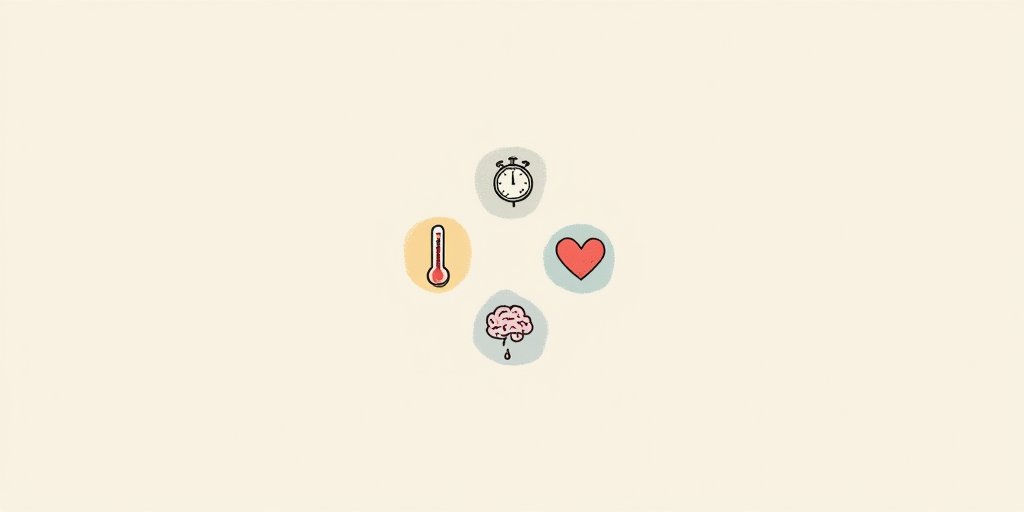
Here’s how to recognize when a lower tear threshold is shaping your daily experience:
- Disproportionate triggers: You notice tears rising in response to mild criticism, small frustrations, or minor kindnesses that don’t seem to affect others the same way.
- End-of-day collapse: You hold composure through stressful hours, then cry over something small once you’re alone or safe.
- Physical warning signs: You feel a hot throat, blurred vision, or chest tightness seconds before tears start, almost like a countdown you can’t stop.
None of these are character flaws. They are predictable responses to specific conditions.
- Media sensitivity: Commercials, songs, or strangers’ stories on your feed reliably move you to tears more than they seem to move people around you.
- Post-cry relief: You often feel calmer or clearer after crying rather than more agitated, suggesting your tears are functioning as regulation, not just distress.
Recognizing these signs isn’t a diagnosis — it’s information about how your particular nervous system processes load, useful for planning rather than something to feel ashamed of.
What Actually Helps

Research points to specific approaches that can interrupt this pattern — though none are instant fixes.
Track the Load, Not Just the Trigger
Since crying tracks cumulative stress rather than single events, keeping a brief daily log of stress, sleep, and hormonal timing helps you predict low-threshold days before they surprise you. Try rating your stress load each morning on a 1–10 scale for two weeks. The caveat: this builds awareness, not immediate control.
Cognitive Reframing (CBT)
Cognitive behavioral therapy’s reframing technique targets the thought “I shouldn’t be crying about this,” which often adds shame on top of the original emotion. When you notice tears starting, try silently naming the actual trigger (“I’m overwhelmed, not weak”) instead of judging the reaction. This reduces secondary distress, per research from the American Psychological Association on emotion regulation, though it won’t lower physiological reactivity itself.
Address the Sleep-Reactivity Link
Since sleep debt directly raises amygdala reactivity, protecting a consistent sleep window is one of the few interventions that changes the threshold itself, not just your response to it. Aim for a fixed wake time daily, even on weekends. This is a slow-acting fix — expect gradual change over weeks, paired with work on managing emotional overwhelm, not overnight results.
Frequently Asked Questions
Why do I cry so easily over small things?
Small triggers often aren’t really small — they’re the final addition to a stress load that’s been building all day. Your nervous system responds to total accumulated pressure, not the size of the last event alone.
Is crying easily a sign of a mental health problem?
Not usually — frequent crying is often just a lower physiological threshold or high empathic sensitivity. It’s worth discussing with a professional only if it’s paired with persistent sadness, hopelessness, or disrupted functioning.
Can you change how easily you cry?
Yes, to a degree — sleep, stress management, and cognitive reframing can shift your threshold over time. But temperament plays a real role, so the goal is usually building tolerance and reducing shame, not eliminating the trait entirely.
Your Tears Were Never the Malfunction

The next time your throat tightens over something that seems too small to justify it, remember that it’s rarely about that one moment — it’s about everything your nervous system has been quietly carrying up to it.
Crying easily isn’t a flaw in your emotional design; it’s a lower threshold on a system that’s working exactly as it was built to.
The question isn’t why you cry so easily — it’s what your tears have been trying to tell you before you finally let them.